Quick Answer
A 14-day road trip can link Tokyo and Kyoto the long way: Hakone and Mt. Fuji, Matsumoto and the Alps, Takayama, Shirakawa-go, Kanazawa on the Japan Sea, three nights in Kyoto with the car parked, then Ise and the Shima coast. That is about 1,300–1,600 km, with most days around 2–3 hours of driving. Budget roughly ¥61,000–99,000 for tolls, fuel and parking in a compact car, plus rental and accommodation. For two weeks or more, compare a long-term rental with daily rates, and check one-way fees if you finish in Nagoya.
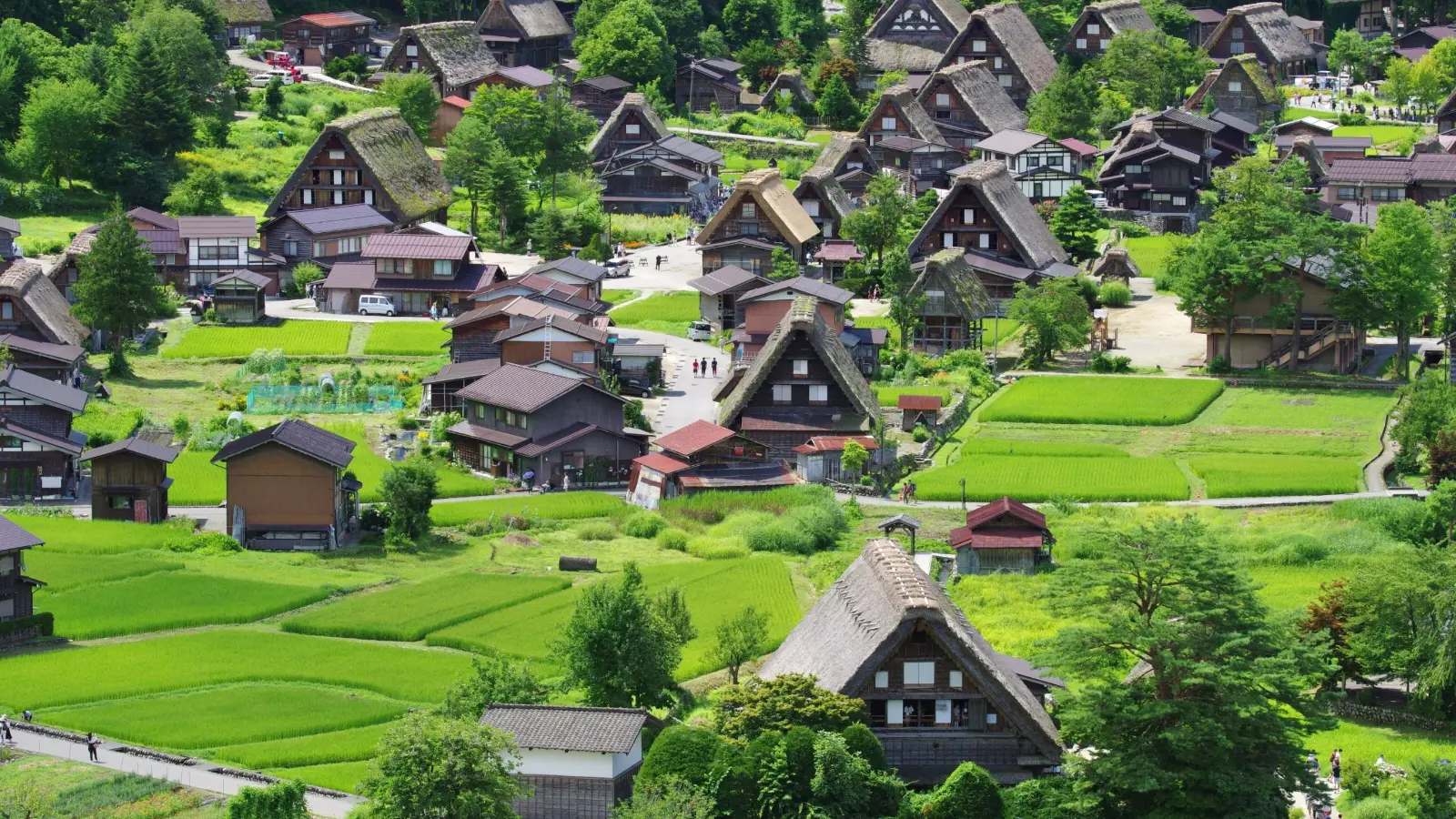
Two weeks is enough to cross Japan the slow way. Instead of the bullet train from Tokyo to Kyoto, this route takes the mountain roads: past Mt. Fuji, through the Japan Alps, to the old merchant town of Takayama and the thatched farmhouses of Shirakawa-go, out to Kanazawa on the Japan Sea, and finally to Kyoto and the Ise Grand Shrine. Each stop is two or three nights apart, so you spend more time exploring than driving.
The 14-day route at a glance
| Days | Route | Drive time | Overnight |
|---|---|---|---|
| 1 | Tokyo → Hakone | 1.5–2 h | Hakone |
| 2 | Hakone → Fuji Five Lakes | 1–1.5 h | Lake Kawaguchi |
| 3–4 | Fuji → Matsumoto, Kamikochi or Azumino | 2–2.5 h | Matsumoto (2 nights) |
| 5–6 | Matsumoto → Takayama | about 2 h | Takayama (2 nights) |
| 7 | Takayama → Shirakawa-go → Kanazawa | about 2 h | Kanazawa |
| 8 | Kanazawa | — | Kanazawa |
| 9 | Kanazawa → Kyoto | about 3 h | Kyoto |
| 10–11 | Kyoto (car parked) | — | Kyoto (3 nights) |
| 12 | Kyoto → Ise | 2–2.5 h | Ise or Toba |
| 13 | Ise-Shima coast | 1 h | Ise or Toba |
| 14 | Ise → Tokyo, or return car in Nagoya | 4.5–5 h / 1.5 h | — |
About 1,300–1,600 km in total. Best from late April to mid-November.
Days 1–2: Hakone and Mt. Fuji
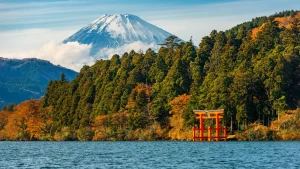
Start with the classic pair close to Tokyo: hot springs and Lake Ashi in Hakone, then over Otome Pass to the Fuji Five Lakes for sunrise views and the Chureito Pagoda. See Tokyo to Hakone and Tokyo to Mt. Fuji.
Days 3–4: Matsumoto and the Japan Alps
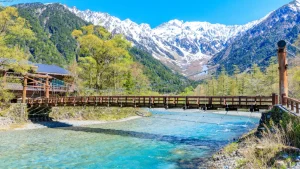
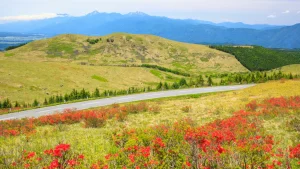
Drive the Chuo Expressway to Matsumoto for its original black castle. Spend day 4 in Kamikochi (shuttle bus from Sawando; open late April to mid-November) or in Azumino among wasabi fields and Alpine views.
Days 5–6: Takayama
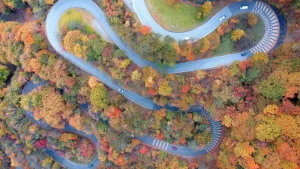
Route 158 crosses the Alps from Matsumoto to Takayama through the Abo Tunnel, a spectacular mountain road of about two hours. Takayama’s old town of dark wooden merchant houses, sake breweries and morning markets is one of the best preserved in Japan. Try Hida beef. On day 6, drive to the Shinhotaka Ropeway for views of the Northern Alps, or relax in Okuhida Onsen.
Day 7: Shirakawa-go to Kanazawa
The Tokai-Hokuriku Expressway takes you to Shirakawa-go in about 50 minutes. The UNESCO-listed village of steep thatched gassho-zukuri farmhouses is best early in the morning; use the official village car park. Continue to Kanazawa (about 1.5 hours), the cultural capital of the Japan Sea coast.
Day 8: Kanazawa
Park at your hotel and explore on foot: Kenroku-en, one of Japan’s three great gardens, the Higashi Chaya geisha district, the samurai houses of Nagamachi, Omicho seafood market and the 21st Century Museum of Contemporary Art. Kanazawa is compact enough that you do not need the car today.
Day 9: Kanazawa to Kyoto
The Hokuriku and Meishin Expressways reach Kyoto in about three hours. For a scenic alternative, follow the coast south past the Tojinbo cliffs in Fukui and the Zen temple of Eiheiji, adding two or three hours.
Days 10–11: Kyoto without the car
Kyoto’s streets are narrow and its sights are busy, so do not drive in the city. Choose a hotel with parking (or a nearby monthly car park), leave the car and use buses, trains and taxis. Nara is an easy day trip by train.
Days 12–13: Ise and the Shima coast
Drive the Shin-Meishin Expressway to Ise (about 2–2.5 hours) for the Ise Grand Shrine, Japan’s most sacred Shinto shrine, rebuilt every 20 years. The Shima coast has pearl farms, ama free divers and calm island-dotted bays; stay in Toba or Kashikojima for seafood dinners.
Day 14: Back to Tokyo, or finish in Nagoya
Drive back to Tokyo on the Shin-Tomei (about 4.5–5 hours with stops), or return the car in Nagoya (about 1.5 hours) and take the shinkansen (about 1 hour 40 minutes to Tokyo). Ask about one-way fees when you book.
Variations
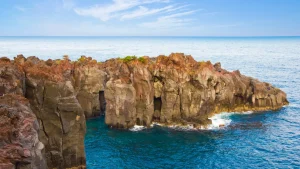
- Japan Sea coast extension: from Kanazawa, the Noto Peninsula has dramatic coastline, but parts were badly damaged in the January 2024 earthquake. Check current road conditions before going.
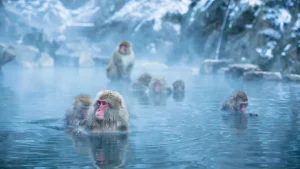
- Snow monkeys and Nagano: swap Kamikochi for two days in Nagano city and Shibu Onsen. See Tokyo to Nagano by car.
- Shorter trip: stop after Kanazawa and return the car there, or follow our 7-day road trip.
- Autumn: the Alps, Takayama and Shirakawa-go are spectacular in October. See the autumn road trip.
Budget for 14 days
| Item | Typical cost |
|---|---|
| Expressway tolls | ¥30,000–45,000 |
| Fuel (1,300–1,600 km) | ¥16,000–24,000 |
| Parking (hotels, sights, Kyoto) | ¥15,000–30,000 |
| One-way drop-off fee (if used) | Varies by company and distance |
| Accommodation | Ryokan from about ¥15,000 per person per night with meals; hotels less |
For two weeks or more, compare a long-term car rental with daily rates; it is often significantly cheaper. See the Japan road trip cost guide.
Tips for a two-week road trip
- Two nights per stop makes the trip feel unhurried.
- Book Takayama, Shirakawa-go and Kyoto early, especially in spring and autumn.
- Check hotel parking in Kanazawa and Kyoto; many city hotels charge ¥1,500–3,000 per night.
- Avoid Golden Week and Obon, when expressways jam for hours.
- In winter, Route 158 and Shirakawa-go are deep in snow: winter tyres, chains and experience are essential. See the winter guide.
Where to stay
| Nights | Base | Stay type |
|---|---|---|
| 1 | Hakone | Onsen ryokan in Gora, Sengokuhara or Yumoto |
| 1 | Lake Kawaguchi | Fuji-view ryokan or hotel |
| 2 | Matsumoto | City hotel or small inn near the castle |
| 2 | Takayama | Ryokan in the old town, or Okuhida Onsen for outdoor baths |
| 2 | Kanazawa | Hotel near Kenroku-en or Higashi Chaya, with parking |
| 3 | Kyoto | Hotel or machiya townhouse with parking arranged in advance |
| 2 | Ise or Toba | Seaside ryokan with seafood dinners |
Food highlights on the route
- Fuji Five Lakes: hoto noodle stew and Yoshida udon.
- Matsumoto: Shinshu soba and sanzoku-yaki fried chicken.
- Takayama: Hida beef (try it as sushi at the old-town stalls), mitarashi dango and local sake.
- Shirakawa-go: mountain vegetables and river fish grilled on skewers.
- Kanazawa: seafood bowls at Omicho market, gold-leaf sweets and, in winter, snow crab.
- Kyoto: kaiseki, tofu and matcha everything.
- Ise-Shima: spiny lobster (ise-ebi), abalone, oysters and Ise udon.
Driving notes for this route
- Route 158 (Matsumoto–Takayama): a mountain road with tunnels and steep sections; take breaks and use a low gear downhill.
- Tokai-Hokuriku Expressway: long tunnels and few exits between Takayama and Shirakawa-go; fill up beforehand.
- Kyoto: narrow, busy streets. Arrive, park and do not move the car until you leave.
- Expressway etiquette: keep left except to overtake; the right lane is for passing only.
Frequently asked questions
Is it worth driving from Tokyo to Kyoto?
Yes, if you take the countryside route and stop along the way. Driving direct on the expressway (about 5–6 hours) is slower and more expensive than the shinkansen.
Should I drive in Kyoto?
No. Park the car and use public transport. Drive only to reach Kyoto and to leave it.
Is the route suitable in winter?
Partly. Hakone, Fuji, Kanazawa, Kyoto and Ise are fine with care. Matsumoto to Takayama and Shirakawa-go have heavy snow and need winter tyres, chains and winter driving experience.
Related: Driving in Japan Guide
Planning a longer road trip in Japan?
For stays of several weeks or more, a monthly rental can be simpler than booking a new car every few days.
Explore Long-Term Car Rental