Quick Answer
Nagano city is about 220 km from central Tokyo, roughly 3 hours via the Kan-etsu and Joshin-etsu Expressways, with tolls of around ¥5,000–6,500 each way with ETC. For Matsumoto and the Japan Alps, the Chuo Expressway is the better route. A car makes it easy to combine Karuizawa, Zenko-ji, the snow monkeys and mountain onsen in 3–5 days. No regional expressway pass covers Nagano, so plan for standard tolls. From December to March you need winter tyres, and Kamikochi is open only from late April to mid-November.
Nagano is where a road trip from Tokyo starts to feel like real mountain country. Within three hours you can be at a 1,400-year-old temple, watching wild monkeys bathe in a hot spring or driving one of the highest roads in Japan. The prefecture is huge and its best places are spread across valleys and passes that trains and buses only partly connect, which is exactly why a car pays off here.
This guide covers the two main routes from Tokyo, costs, the best stops, winter driving and a three-day plan.
Tokyo to Nagano at a glance
| Distance | About 220 km from central Tokyo to Nagano city |
| Drive time | About 3 hours without traffic |
| Northern route | Kan-etsu Expressway → Fujioka JCT → Joshin-etsu Expressway (Karuizawa, Nagano, Obuse) |
| Southern route | Chuo Expressway → Okaya JCT → Nagano Expressway (Matsumoto, Azumino, Kamikochi) |
| Tolls (one way) | Roughly ¥5,000–6,500 with ETC, including the Shuto Expressway |
| Best seasons | May–June, autumn colours in October, winter for snow (with winter tyres) |
| Ideal length | 3–5 days |
Which route should you take?
Northern route: Kan-etsu and Joshin-etsu Expressways
Join the Kan-etsu Expressway at Nerima IC, continue to Fujioka JCT and switch to the Joshin-etsu Expressway. Exits include Usui-Karuizawa IC for Karuizawa, Nagano IC for the city and Zenko-ji, and Shinshu-Nakano IC for the snow monkeys and Shiga Kogen. Choose this route for Karuizawa, Nagano city, Obuse, Togakushi and the northern onsen.
Southern route: Chuo Expressway and Nagano Expressway
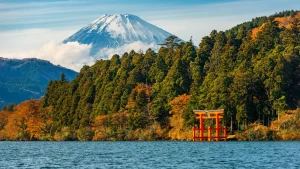
Take the Chuo Expressway from Takaido IC past Lake Suwa to Okaya JCT, then the Nagano Expressway to Matsumoto IC or Azumino IC. Total distance to Matsumoto is a little over 200 km. Choose this for Matsumoto Castle, Azumino, Kamikochi, Hakuba and the Kiso Valley. You can pass the Mt. Fuji area on the way.
The best plan is often a loop: out on one route, back on the other. Check tolls for your date on NEXCO Drive Plaza.
The best stops in Nagano by car
Karuizawa
A cool highland resort an hour and a half from Tokyo, with forest cafés, the Kyu-Karuizawa shopping street, the Shiraito Falls and a big outlet mall by the station. Busy in summer; lovely and quiet in May and October.
Zenko-ji, Nagano city
One of Japan’s most important Buddhist temples, founded in the 7th century. Walk through the pitch-dark tunnel under the main hall to touch the “key to paradise”, then explore the temple lodgings and shops on the approach. There are paid car parks around the temple.
Obuse
A small town of chestnut sweets, sake breweries and the Hokusai Museum, 20 minutes north-east of Nagano city. Easy parking and an ideal lunch stop.
Jigokudani Monkey Park
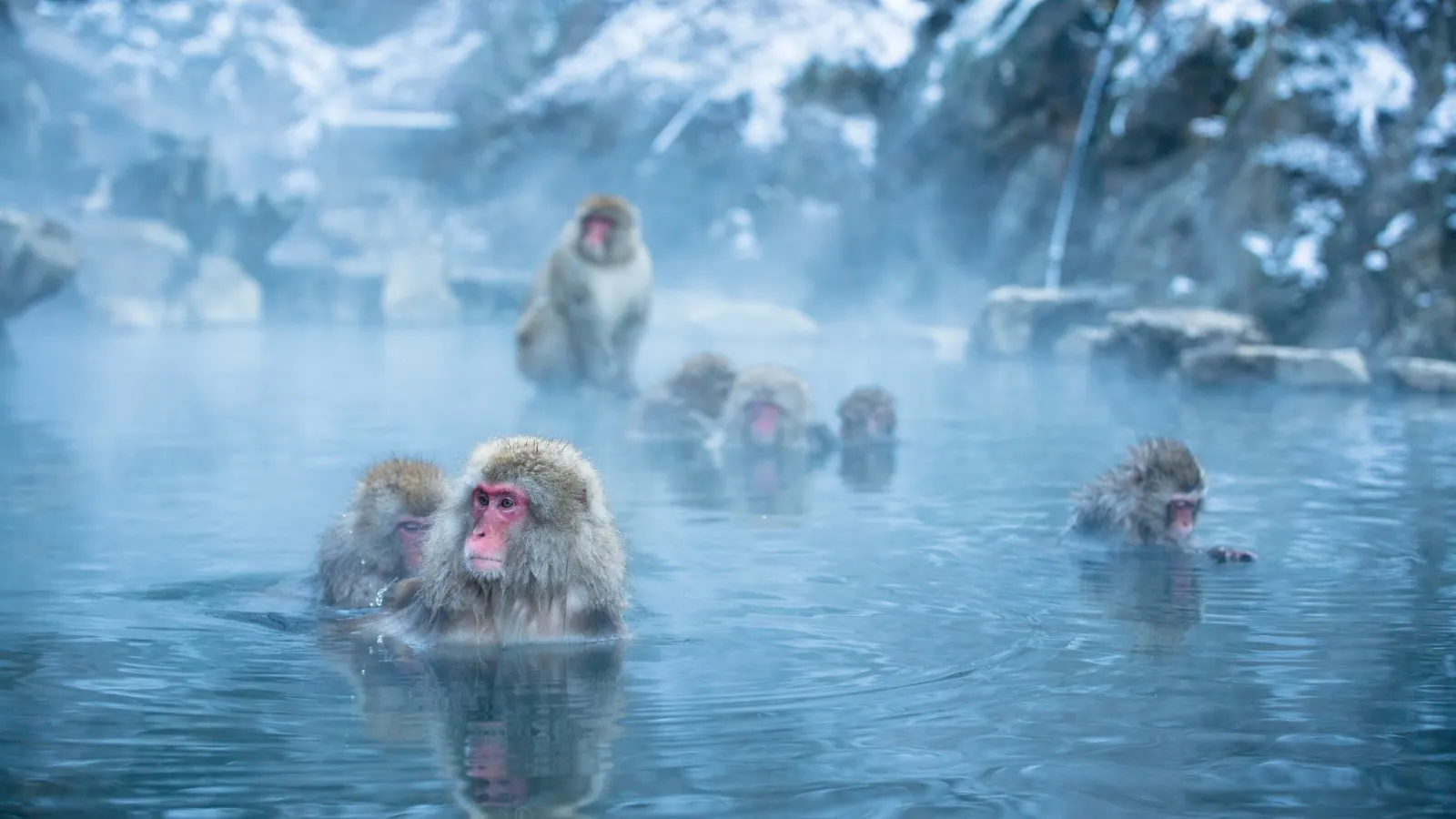
Wild Japanese macaques bathing in a hot spring, most famously in winter. Park at the lot near Kanbayashi Onsen and walk about 30 minutes along a forest path (often snowy and slippery in winter: wear proper shoes). Stay nearby in the old onsen towns of Shibu or Yudanaka.
Shiga Kogen and the Shiga-Kusatsu Road
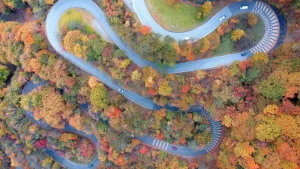
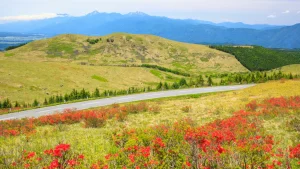
Route 292 climbs from Yamanouchi through Shiga Kogen to Kusatsu in Gunma, crossing Shibu Pass, the highest point on Japan’s national road network at about 2,170 m. It is one of the great mountain drives in the country, but closes in winter, usually from November to late April.
Togakushi
Five shrines spread along the foot of a jagged mountain, linked by an avenue of 400-year-old cedars. Famous for soba. Forty minutes uphill from Nagano city.
Matsumoto and Azumino
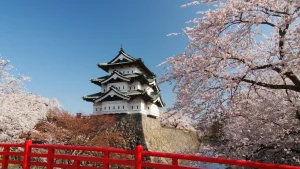
Matsumoto Castle is one of Japan’s few original castle keeps. Nearby Azumino has the Daio wasabi farm, clear rivers and Alpine views; easy, flat driving.
Kamikochi
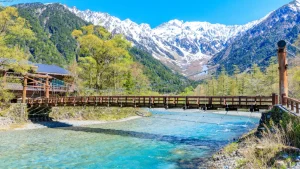
A high valley in the Northern Alps with some of the best hiking in Japan. Private cars are banned year-round: park at Sawando (from the Matsumoto side) or Hirayu and take the shuttle bus. Open roughly late April to mid-November.
Kiso Valley: Narai, Tsumago and Magome
Preserved post towns on the old Nakasendo highway. Drive between them or park at Tsumago and walk the trail to Magome (about 8 km).
A three-day Nagano road trip
- Day 1: Tokyo to Karuizawa (lunch and a forest walk), then on to Obuse and an onsen night in Shibu or Yudanaka.
- Day 2: Jigokudani Monkey Park in the morning, Zenko-ji and Nagano city in the afternoon, then Togakushi soba for dinner if roads allow.
- Day 3: Drive south to Matsumoto Castle and Azumino, then back to Tokyo on the Nagano and Chuo Expressways.
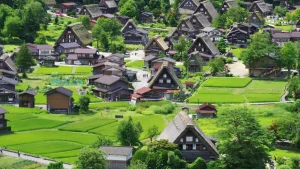
With two more days, add Kamikochi and the Kiso Valley, or continue west to Takayama and Shirakawa-go as part of a 14-day road trip.
Winter driving in Nagano
From December to March, much of Nagano is snow country. You must use winter (studless) tyres, and in heavy snow, chain regulations can be enforced on designated sections of expressways and mountain roads: cars without chains are turned back even if they have winter tyres. Ask your rental company for winter tyres and chains, drive slowly, and allow extra time. Read our winter road trip guide before you go.
Where to stay
- Shibu and Yudanaka Onsen: traditional inns near the snow monkeys; Shibu has nine public baths for guests.
- Nagano city: practical hotels and Zenko-ji temple lodgings (shukubo).
- Karuizawa: resort hotels and holiday rentals, ideal for longer summer stays.
- Matsumoto and Azumino: good-value hotels and small pensions with mountain views.
How much does a Nagano road trip cost?
| Item | Typical cost |
|---|---|
| Expressway tolls (Tokyo–Nagano round trip) | ¥10,000–13,000 |
| Fuel (600–800 km over 3–5 days) | ¥7,000–10,000 for a compact car |
| Parking and sights | ¥1,000–3,000 per day |
| Onsen ryokan with meals | From about ¥15,000 per person per night |
See the Japan road trip cost guide for rental and fuel details.
Nagano for a longer stay
Nagano rewards slow travel: a week in Karuizawa or Azumino with day trips, a month of skiing in Hakuba, or a summer base in the highlands away from the city heat. For stays of a few weeks or more, a long-term car rental is usually simpler than renting by the day, and lets you equip the car properly for snow.
Frequently asked questions
Is it better to take the shinkansen or drive to Nagano?
The Hokuriku shinkansen reaches Nagano city in about 80 minutes, so it is faster for the city alone. Driving is better for the snow monkeys, Togakushi, Shiga Kogen, Kamikochi and the Kiso Valley, which are slow or awkward by public transport.
Can I drive to the snow monkeys?
You can drive to the parking area near Kanbayashi Onsen, then walk about 30 minutes to the park. You cannot drive to the park itself.
Is it safe to drive in Nagano in winter?
Yes, if you have winter tyres, carry chains and avoid mountain passes in heavy snow. Main roads are cleared quickly; side roads and car parks are often icy.
Can foreigners use an expressway pass in Nagano?
The nationwide Japan Expressway Pass is no longer sold, and current regional passes do not cover Nagano, so plan for standard tolls.
Related: Driving in Japan Guide
Planning a longer road trip in Japan?
For stays of several weeks or more, a monthly rental can be simpler than booking a new car every few days.
Explore Long-Term Car Rental