
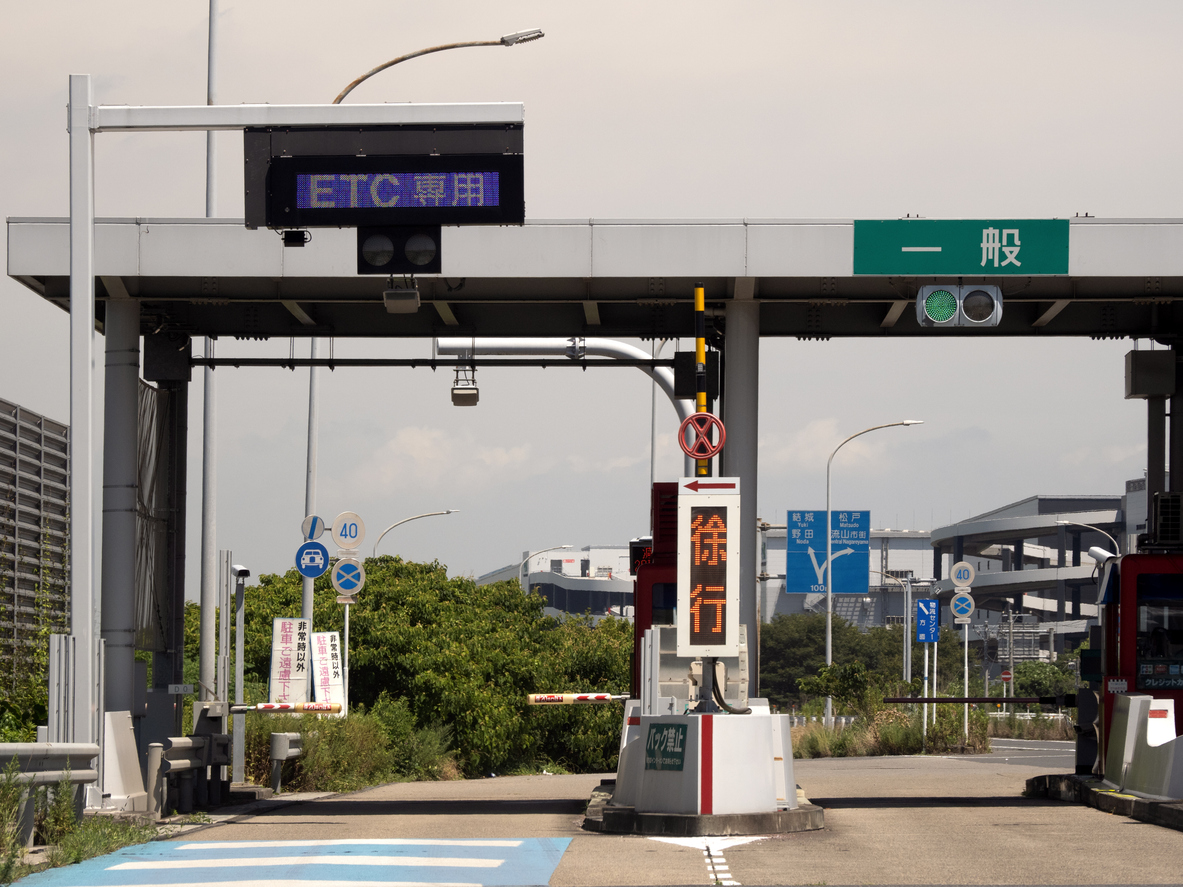
Information about renting ETC cards in Japan is widely scattered. Prices are listed without context, eligibility conditions are unclear, and many explanations contradict one another. As a result, people searching for reliable guidance often end up more confused than informed.
This situation is not accidental. ETC cards in Japan are tied directly to domestic payment systems, and their use sits at the intersection of financial regulation and rental operations. That structure makes simple explanations difficult and encourages oversimplification.
This article takes a news-style, explanatory approach. It organizes how ETC card rental is currently handled, why pricing varies so widely, and how to interpret comparisons that appear online.
The focus is not on shortcuts or assumptions, but on clarity. By the end, the system behind ETC card rental should be easier to understand as a whole.
How ETC Card Rental Is Currently Handled in Japan
ETC cards are issued by Japanese credit card companies and are linked to individual credit accounts. Expressway tolls are settled after use, not prepaid. This design is fundamental to how the system operates.
Because an ETC card represents a payment instrument rather than a simple accessory, most rental companies do not issue them freely. Even when a card is provided, it is usually subject to contractual conditions, identity verification, and usage management.
At the moment, there is no industry-wide standard for ETC card rental. Each rental operator that offers ETC access does so under its own internal rules and risk controls.
This is why availability and pricing differ so significantly from one company to another.
Why ETC Card Pricing Is Often Misunderstood
This is a point many people find confusing. Online sources frequently list daily ETC fees without explaining what those charges represent.
In most cases, the daily fee is not payment for the tolls themselves. Instead, it covers administrative handling, settlement management, and the financial risk associated with post-use billing. Actual expressway tolls are always charged separately based on usage.
Here is where misunderstandings often occur. A lower daily fee does not automatically mean broader eligibility, and a higher fee does not guarantee easier access. Pricing reflects internal cost structures rather than service quality.
Without this context, comparisons can feel inconsistent or even misleading.
How ETC Card Rental Prices Compare Right Now
Based on current market conditions, ETC card handling fees generally fall into the following ranges:
| Provider category | Typical daily fee (tax included) |
|---|---|
| Major and general rental companies | ¥330–¥1,100 |
| Selected long-term rental operators | ¥220–¥550 |
These figures refer only to the ETC card handling fee. Expressway tolls are calculated separately and settled according to actual usage.
The wide pricing range reflects differences in rental duration, internal screening, and settlement processes. Lower daily fees are often tied to longer rental periods and structured contracts rather than short-term use.
Understanding these distinctions is essential before drawing conclusions from price lists alone.
How to Read ETC Card Comparisons More Accurately
Let’s break this down step by step.
First, confirm whether the listed fee applies only to ETC card handling or suggests that tolls are included. In almost all cases, toll charges are separate.
Second, check eligibility conditions. Some prices apply only to long-term rentals, specific vehicle classes, or customers who meet internal verification requirements.
Third, consider duration. Short-term rentals often have higher per-day administrative costs, while long-term rentals may spread those costs over time.
Without accounting for these factors, comparisons risk oversimplifying a system that is inherently conditional.
What to Keep in Mind When Planning Long-Term Use
At the moment, the situation can be summarized as follows.
ETC card rental in Japan is not standardized, and access depends more on payment structure and risk management than on tourism demand. No regulatory changes have been announced that would make ETC cards universally prepaid or freely rentable.
For users planning longer stays or extended driving periods, this distinction matters. Long-term rentals are structurally better suited to handling ETC card settlement, documentation, and post-use billing.
As a long-term rental service, Monthly Go provides ETC card access as part of its rental framework, with a handling fee of ¥220 per day (tax included). This approach is designed for extended use rather than short-term convenience.
Because ETC cards function as payment instruments, conditions vary depending on rental length, vehicle type, and contract details. For accurate information based on individual circumstances, contacting Monthly Go directly is the most reliable way to confirm availability and terms.
Seen this way, ETC card rental in Japan is not arbitrary. It reflects how payment systems, risk management, and rental duration intersect—and why long-term structures make ETC access more practical.